How To Get Brand Deals For Your AI Influencer Account (And Actually Get Paid)
Somewhere right now, a brand manager is scrolling past a thousand human creators to DM an account that doesn’t have a pulse. AI influencers are booking sponsorships, ambassador contracts, and paid UGC slots that used to go only to real faces. If your AI persona has decent engagement and zero brand deals to show for…

By :
Anthony
November 18, 2026
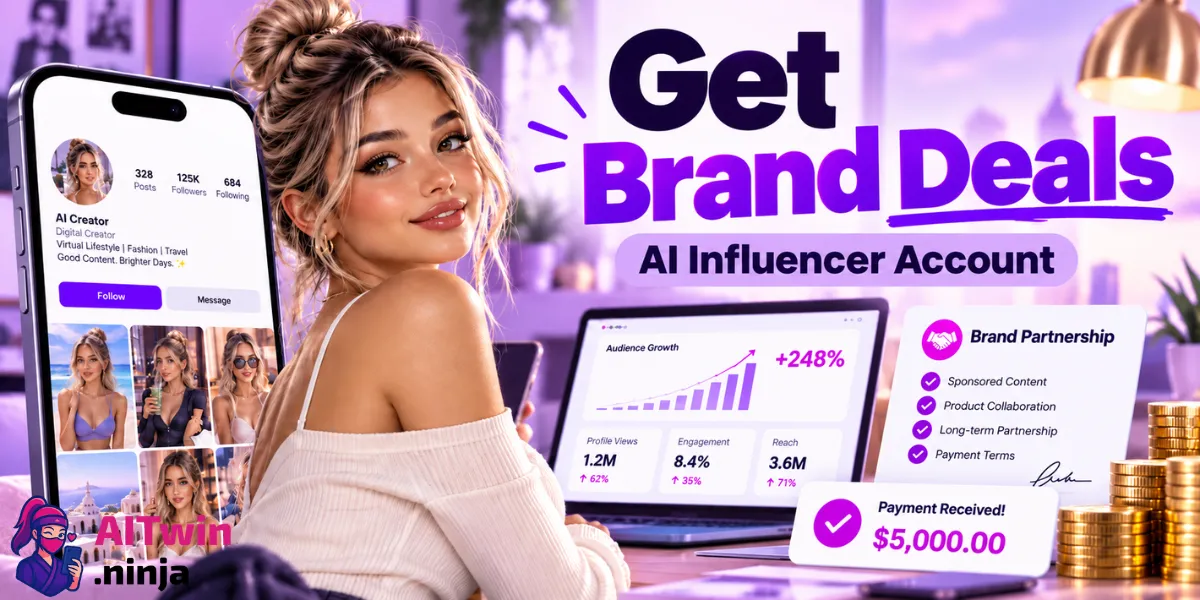
Somewhere right now, a brand manager is scrolling past a thousand human creators to DM an account that doesn’t have a pulse. AI influencers are booking sponsorships, ambassador contracts, and paid UGC slots that used to go only to real faces.
If your AI persona has decent engagement and zero brand deals to show for it, you’re leaving cash on the table every single week. This guide covers exactly how to get brand deals for your AI influencer account, what to charge, who to pitch, and the mistakes that get creators ghosted before a contract ever gets signed.
Quick answer: You get brand deals for AI influencer account by building a one-page media kit with real engagement numbers, targeting brands whose products fit your niche, and pitching them directly with a specific offer and a rate attached. Marketplaces and agencies speed this up once your numbers are strong enough to qualify.
AI Influencer Brand Deal Types And What They Pay In 2026
| Deal Type | Follower Range | Typical Pay | Effort | Best Niche Fit |
|---|---|---|---|---|
| Product seeding | 5K-20K | Free product only | Low | Beauty, fashion, tech accessories |
| Single sponsored post | 20K-100K | 200-1,200 | Medium | Beauty, gaming, lifestyle |
| UGC content license (no posting) | Any size | 150-800 per clip | Medium | Skincare, apps, SaaS |
| Affiliate or commission deal | 10K+ | 10-30% per sale | Low | Fashion, supplements, tools |
| Whitelisting / spark ads rights | 50K+ | 500-3,000 | Medium | Any brand running paid social |
| Monthly ambassador retainer | 100K+ | 1,500-10,000/mo | High | Apps, beverages, fashion lines |
These numbers move a lot depending on your niche and engagement rate. Treat the table as a starting point for negotiation, not a fixed price list.
Why Brands Are Suddenly Paying Accounts That Aren’t Real People
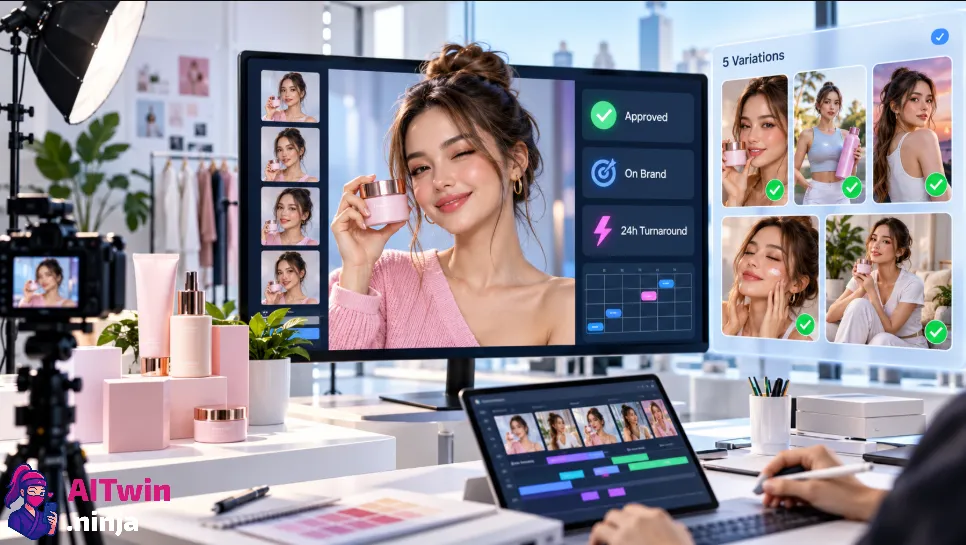
A synthetic face never asks for a reshoot. It never has a bad hair day. It never posts something off-brand at 2am, and brands like this a lot more than creators assume.
Aitana Lopez, Lu do Magalu, and Lil Miquela have all closed six-figure and seven-figure partnerships. Mid-tier AI accounts sitting at 30K to 80K followers are now landing paid posts that would’ve gone to a human micro-influencer a year ago.
Marketing teams also love the production speed here. A human creator needs a shoot day, an editor, and three rounds of approval before anything ships. An AI account can turn around five product variations in an afternoon, and that turnaround speed is the actual pitch, not just the novelty of a virtual face.
What Actually Counts As A Brand Deal Here
A lot of creators think “brand deal” means one sponsored Instagram post, then stop looking any further. Real AI influencer deals split into a few distinct buckets:
UGC licensing is where most AI influencer accounts make their first real money, honestly. Brands love it because they get polished, on-brand content without the algorithm risk of you posting it yourself.
The Numbers A Brand Manager Checks Before They Open Your DM
Follower count gets you noticed. It doesn’t get you paid. Before a brand replies, someone on their team is quietly checking:
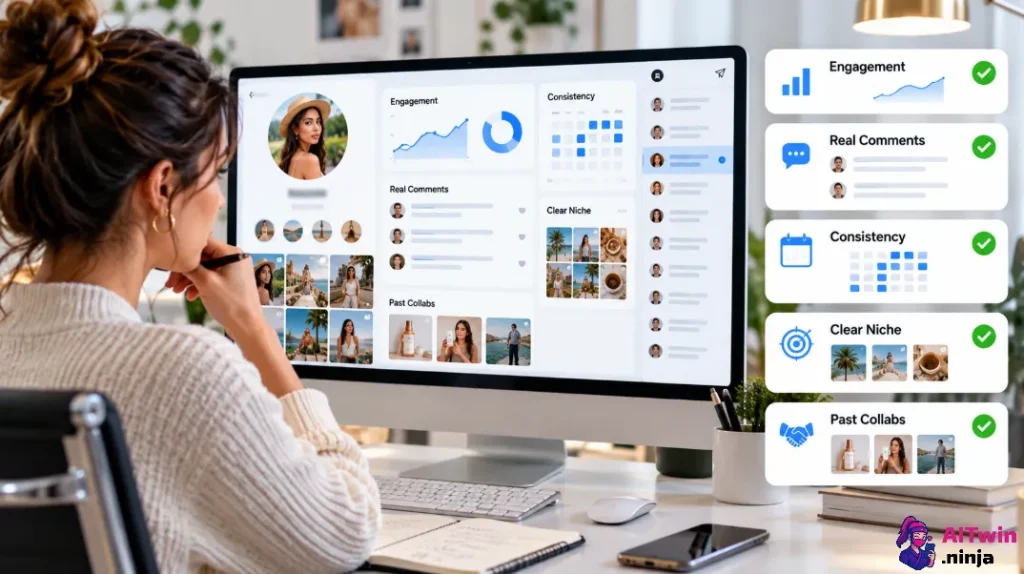
- Engagement rate, not raw followers. A 40K account at 6% engagement beats a 200K account sitting at 0.8%.
- Comment quality. Bot comments and emoji spam get flagged fast. Real questions and tagged friends read as trust.
- Content consistency. Three posts a week for six straight months looks far more fundable than a burst of activity followed by silence.
- Niche clarity. An account that’s clearly beauty, clearly gaming, or clearly fitness converts better than one posting a bit of everything.
- Past collaborations. Even one small paid post in your bio or highlights signals you’re not a first-timer.
If your numbers are thin on any of these, fix that before you send a single pitch. A weak first impression is hard to walk back.
Build The One-Page Kit That Gets You In The Inbox
Every AI influencer account needs a media kit, and it should fit on one page. Brands skim, they don’t read essays.
What to include:
What to leave out:
Keep the design simple. A clean PDF with real numbers beats a flashy template with vague claims every time.
Where These Deals Actually Come From
Most creators wait for brands to find them. That’s the slow path.
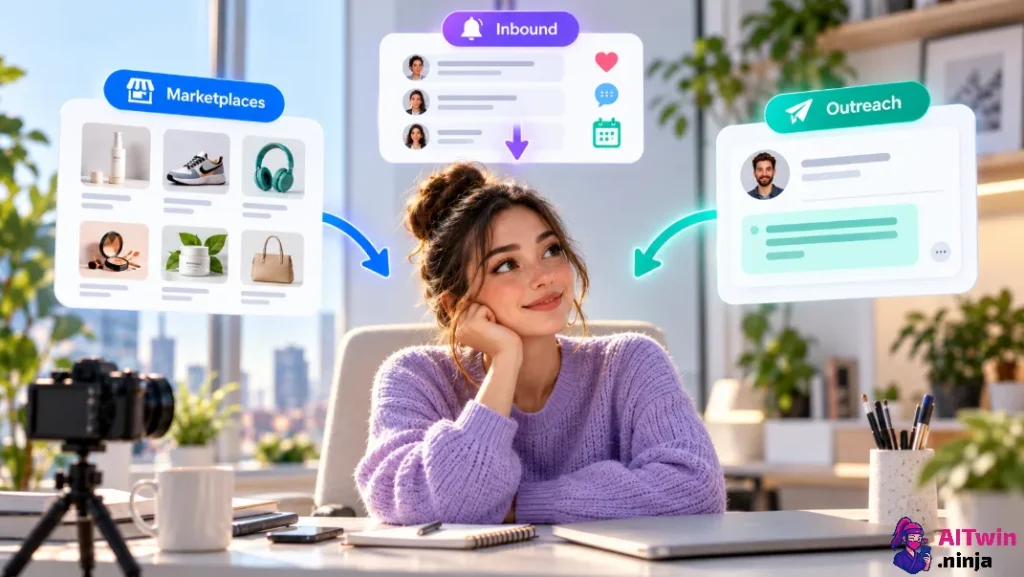
Marketplaces and agencies. Creator marketplaces on Instagram and TikTok let brands filter by niche and reach out directly. Setting up a profile there takes about ten minutes. Influencer agencies now run dedicated rosters for AI and virtual creators too, so a short application with your media kit can put you in front of dozens of brands at once.
Direct outreach. Cold outreach still works, especially with smaller local or DTC brands that don’t have the budget to browse marketplaces. LinkedIn is underused here. Most brand marketing managers list their title openly, and a short, specific message referencing their product beats a generic email sent to a general inbox nobody checks.
Passive inbound. Don’t ignore your own comment section. Brands scouting for creators often lurk before they DM, so a profile with clean bio links and a pinned collab post does real work while you sleep. A simple booking page with your rate card attached also saves a dozen back-and-forth emails once inbound interest picks up.
The Pitch That Doesn’t Get Deleted In Three Seconds
Brand inboxes are full. A generic “hi I love your product, let’s collab” gets deleted on sight.
Here’s what actually gets a reply. Open with a specific reason you’re reaching out, tied to something real about their product or a recent launch. Mention your niche and one hard number, like your engagement rate or average views per post. State exactly what you’re offering, and send your rate card directly instead of asking them to name a number first.
A short template that works well:
Hi [name], loved the launch of [specific product]. I run [account name], an AI [niche] creator with [X]K followers and a [Y]% engagement rate. I’d love to put together a UGC package or sponsored post for [product]. Rate card attached, happy to send more examples if useful.
Nothing fancy. Brands reply faster to a pitch they can act on in ten seconds than one they have to decode into an actual offer.
Pricing Yourself Without Guessing
Undercharging is the fastest way to get stuck doing $50 posts forever. Once a brand knows your floor, they rarely offer more later.
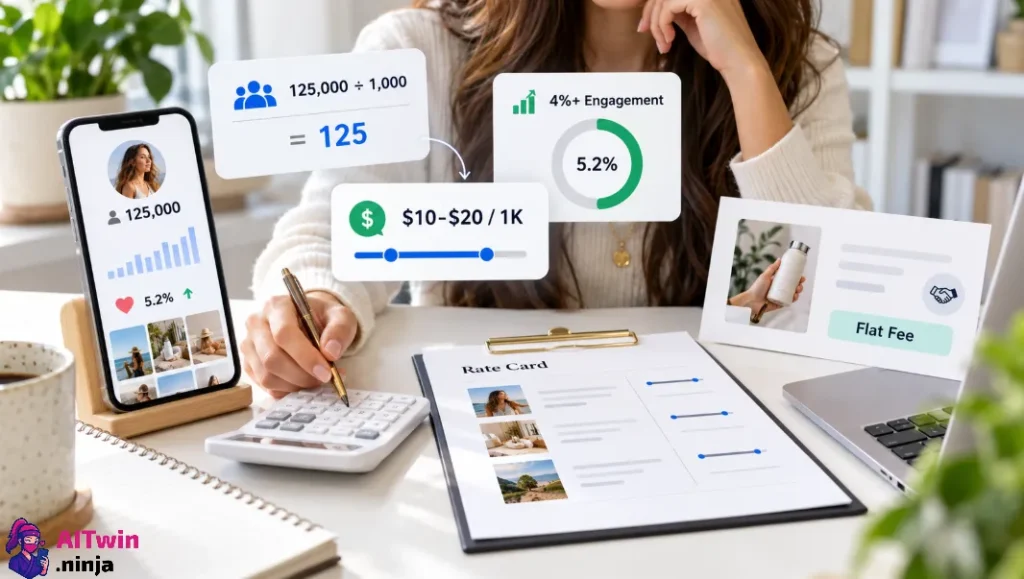
A rough starting formula:
- Take your follower count and divide by 1,000.
- Multiply that number by $10 to $20 for a single sponsored post.
- Adjust the price up if your engagement rate beats 4%.
UGC licensing prices per finished clip rather than by followers, since the brand cares about asset quality more than your reach. Always quote a flat fee for the first deal with a new brand. Performance-only or affiliate-only arrangements work fine as an add-on, but they shouldn’t be your entire deal on a first collaboration.
Why Consistency Matters More For AI Influencers Than Anyone Else
A human influencer can get away with an inconsistent posting schedule because their face and voice never change. An AI influencer doesn’t get that grace period.
If your character’s face shifts between posts, or the lighting and proportions drift from one video to the next, brands notice fast. It kills repeat business quietly, without anyone telling you why the second deal never came.
Consistency checklist before you pitch:
Brands working with AI creators are often doing it specifically for speed. A slow, inconsistent turnaround defeats the entire pitch, no matter how good one single post looked.
Red Flags Vs Green Flags When A Brand Reaches Out First
Not every inbound message is worth chasing. Some are, and the difference usually shows up in the first two lines.
Green flags:
Red flags:
Trust the pattern over the promise. A brand that respects your rate card on day one usually pays on time later too.
Mistakes That Kill Deals Before They Start
Frequently Asked Questions
How Many Followers Do You Need To Get Brand Deals For AI Influencer Account?
Some brands work with accounts under 10K if the niche fits and engagement is strong. Most consistent paid deals start showing up between 20K and 50K followers.
Do AI Influencer Brand Deals Pay Less Than Human Influencer Deals?
Not always. Novelty and production speed often offset the lack of a “real” face, and UGC licensing rates for AI content sit close to human creator rates in most niches right now.
What Platforms Work Best For AI Influencer Brand Deals?
Instagram and TikTok drive the most inbound interest. Instagram’s creator marketplace and dedicated AI-creator agencies currently produce the highest reply rate for outbound pitches.
Do You Need An Agency To Get Brand Deals For Your AI Influencer?
No. Agencies help with volume and negotiation, but plenty of AI influencer accounts land their first five to ten deals through direct outreach and creator marketplaces alone.
What Should You Charge For Your First AI Influencer Sponsored Post?
Price the first deal slightly under your calculated rate to build a portfolio piece, then raise rates once you have real performance data to show the next brand.
Who Should You Contact At A Brand To Pitch A Collaboration?
Look for a marketing manager, influencer marketing specialist, or brand partnerships lead on LinkedIn or the brand’s own site. A named contact beats a general info@ email almost every time.
Can A Small, Niche AI Influencer Account Still Land Paid Deals?
Yes. A tightly focused account with 8K engaged followers in a specific niche often converts better than a broad 50K account with scattered content, especially for UGC licensing deals where fit matters more than reach.
Do You Need A Written Contract For AI Influencer Brand Deals?
Yes, even for small deals. A simple one-page agreement covering payment terms, usage rights, revision limits, and posting deadlines protects both sides and prevents the scope creep that kills repeat bookings.
The Bottom Line
Getting brand deals for your AI influencer account comes down to a few things done consistently. Clean numbers. A tight media kit. Pitches that name a specific reason for reaching out.
Skip the vague outreach. Price yourself with actual data instead of a guess, and treat every small deal as proof for the next, bigger one.
The brands are already spending on accounts like yours. The only thing left is making sure your inbox actually has something worth opening.

AITwin Ninja
Affiliate Disclosure: This post may contain some affiliate links, which means we may receive a commission if you purchase something that we recommend at no additional cost for you (none whatsoever!)
Similar Posts
Author
Anthony
Anthony, a content strategist for AI Twin, is fascinated by AI’s creative potential. He specializes in exploring how generative tools are revolutionizing art, writing, and digital content creation, providing practical insights for creators and entrepreneurs.